Weed control fabrics on the market are mainly divided into PP and PE fabrics. PP and PE weed control fabrics are two different materials used for weed control, each with its own characteristics and applications. So, which is better, PP or PE weed control fabric? Let's take a look.
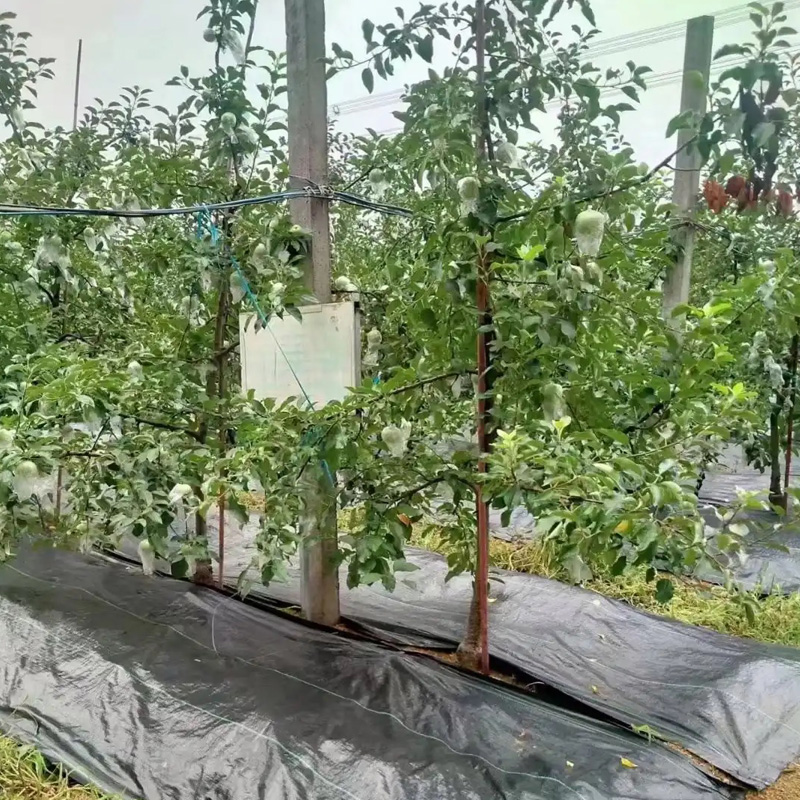
PP weed control fabric, or polypropylene weed control fabric, is made primarily from polypropylene. Its advantages include high strength, good aging resistance, and excellent resistance to various chemicals. It also has a higher density, making it more suitable for projects such as river embankments.
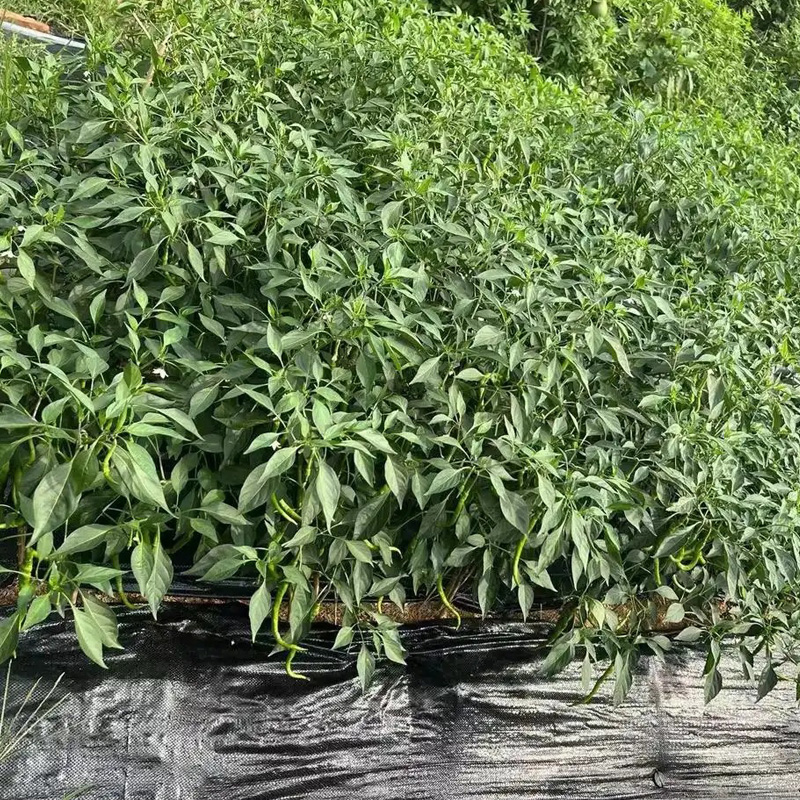
PE weed control fabric, or polyethylene weed control fabric, has superior flexibility and breathability. This makes it more suitable for fruit trees, gardens, flowers, and medicinal herbs. Its soft texture won't cause damage or affect its aesthetics. Furthermore, PE weed control fabric has excellent UV resistance, maintaining its vibrant color for a long time, resisting aging, having a longer service life, and lower cost, effectively preventing weed growth.
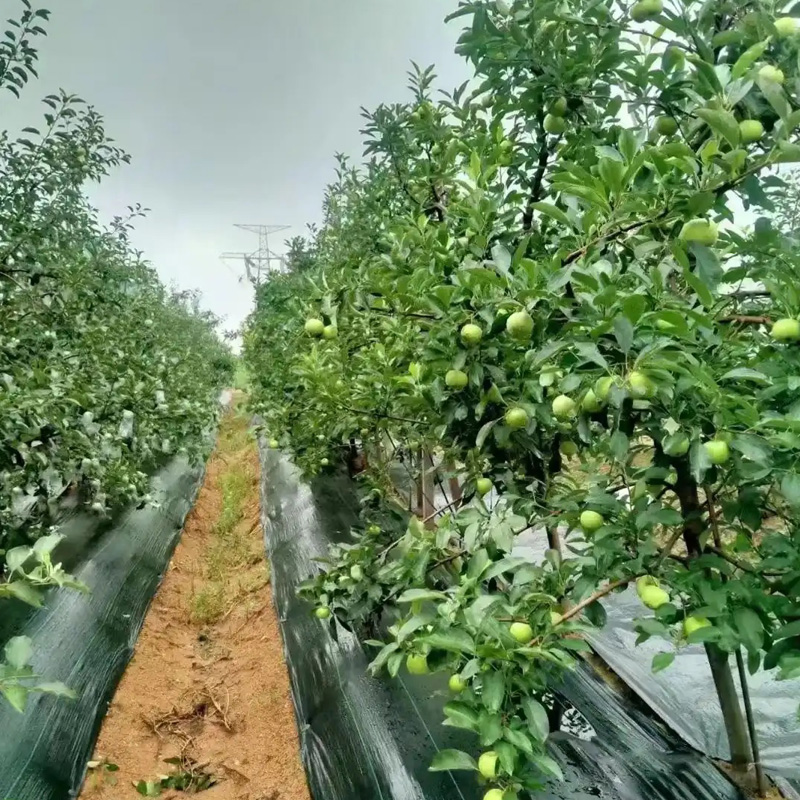
In summary, both PP and PE weed control fabrics have their advantages and applicable scenarios. When choosing, it's necessary to select the appropriate fabric based on your specific needs and characteristics. For applications requiring long-term use, good breathability, and aging resistance, PE weed control fabric is a better choice; for applications demanding high strength and high aging resistance, PP weed control fabric is preferable.
In short, regardless of the type of weed control fabric chosen, material characteristics and environmental factors should be considered.