
For agriculture, weed control has always been a major challenge. Manual weeding is time-consuming and labor-intensive, herbicides can damage cash crops, and mulching prevents air and water permeability. Therefore, weed control fabric was developed. What are the advantages of weed control fabric compared to other traditional methods?
1. Weed Control: Weed control fabric blocks weed photosynthesis by shading, achieving physical weed control without damaging roots. A single application can solve weeding problems for three years. This is especially advantageous in hilly and mountainous areas where uneven ground and numerous rocks make mulching, sod cultivation, and manual weeding difficult.
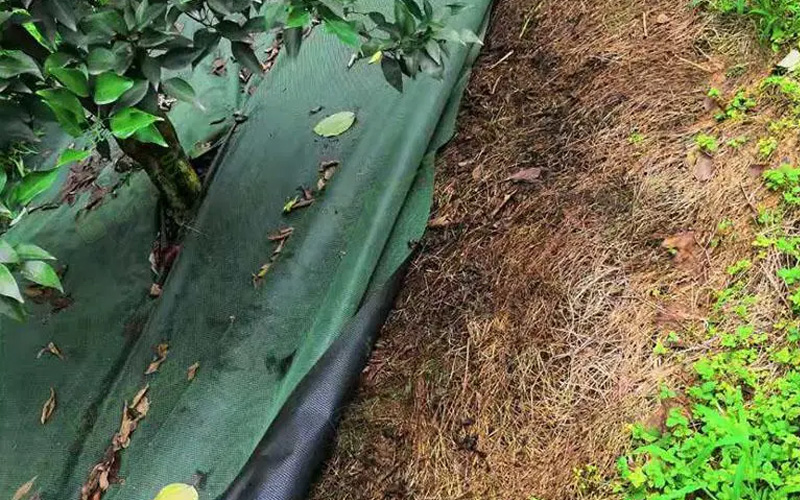
2. Maintaining Soil Moisture: Weed control fabric hinders vertical evaporation of soil moisture, increasing resistance to evaporation and promoting lateral water migration, effectively suppressing ineffective evaporation. Under dry conditions, weed control fabric can effectively increase soil moisture content at depths of 5cm, 20cm, and 40cm by approximately 13-15%.
3. Preventing Soil and Nitrogen Loss: Nitrogen, especially inorganic nitrogen, exists in large quantities in the soil solution. During heavy rainfall, surface runoff from rainwater washes away nitrogen, causing severe soil erosion. While high vegetation cover on slopes effectively reduces soil erosion due to root anchorage, the removal of weeds and other vegetation in arable land makes soil erosion more likely. Laying weed control fabric can prevent direct rainwater erosion, conserve soil and water, prevent nitrogen loss, and protect the ecological environment.
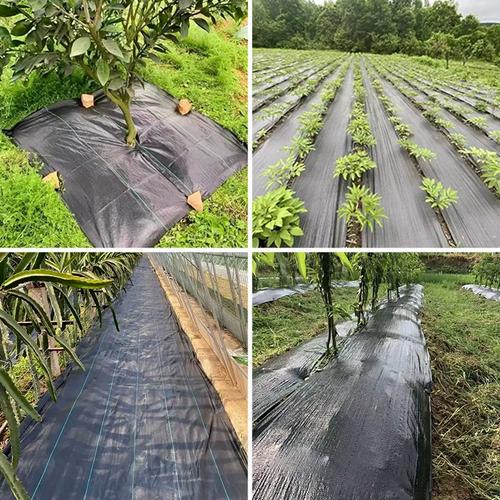
4. Maintaining Ground Cleanliness: Weed control fabric has sufficient permeability to ensure rapid drainage of rainwater, preventing puddles and mud accumulation, thus keeping the ground clean after rain and facilitating walking and work.
5. Improving Nutrient Utilization: In agricultural production, the use of weed control fabric can maintain suitable soil moisture around plant roots, promote root development, and facilitate the absorption of nutrients from the soil by crops. Meanwhile, weed control fabric significantly reduces competition for soil nutrients by weeds, allowing crops to obtain more abundant nutrients.
6. Pest and Disease Control: In agricultural production, many pests use weeds as habitats. Using weed control fabric can effectively control weeds and reduce sources of pest and disease infection. It can also effectively control overwintering pests such as stem borers, reducing pesticide use, contributing to increased crop yields, and improving the safety and marketability of agricultural products, meeting the production needs of national standards for vegetable and fruit orchards. Compared to plastic film, weed control fabric has better air permeability, effectively preventing root rot that occurs with plastic film.
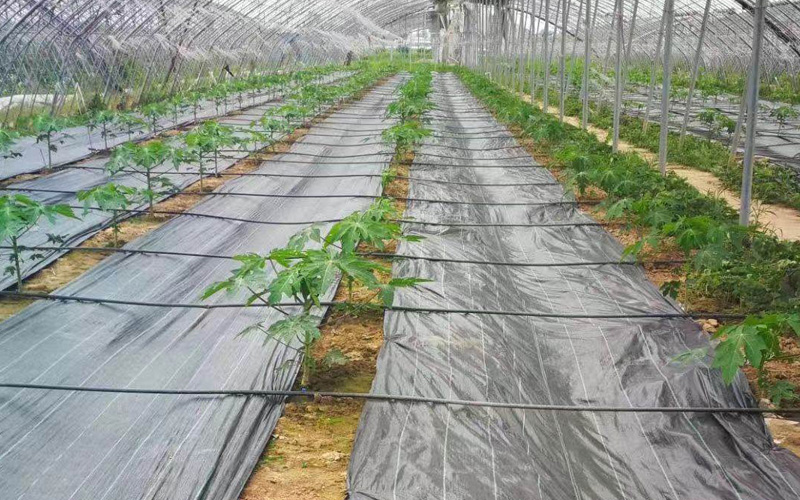
7. Increased Crop Yield: Using weed control fabric in agricultural production provides a suitable growing environment for crops, greatly improving nutrient utilization and contributing to improved crop quality and increased yield.