Product Details
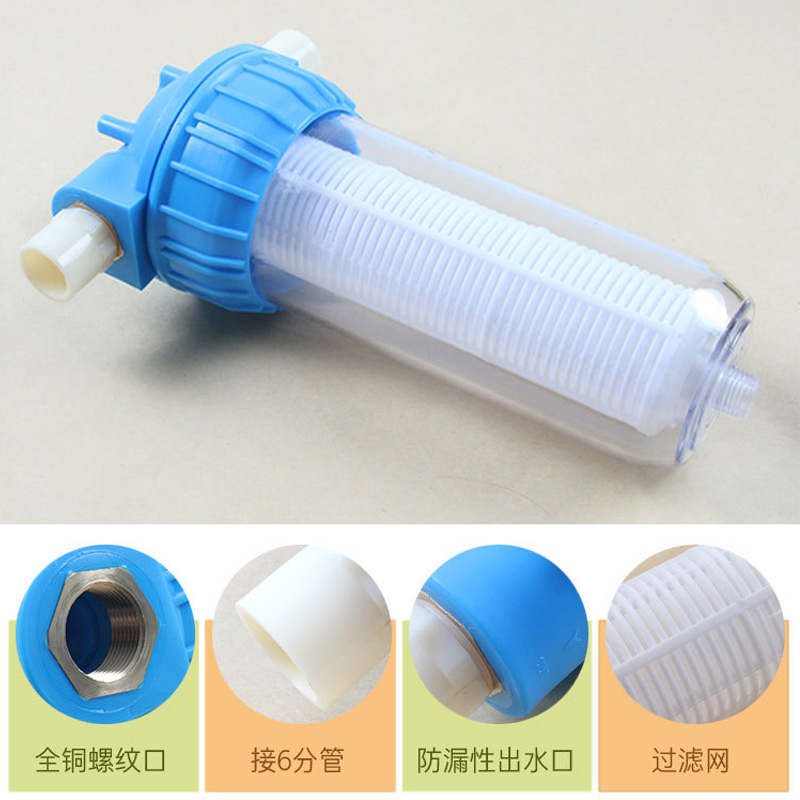
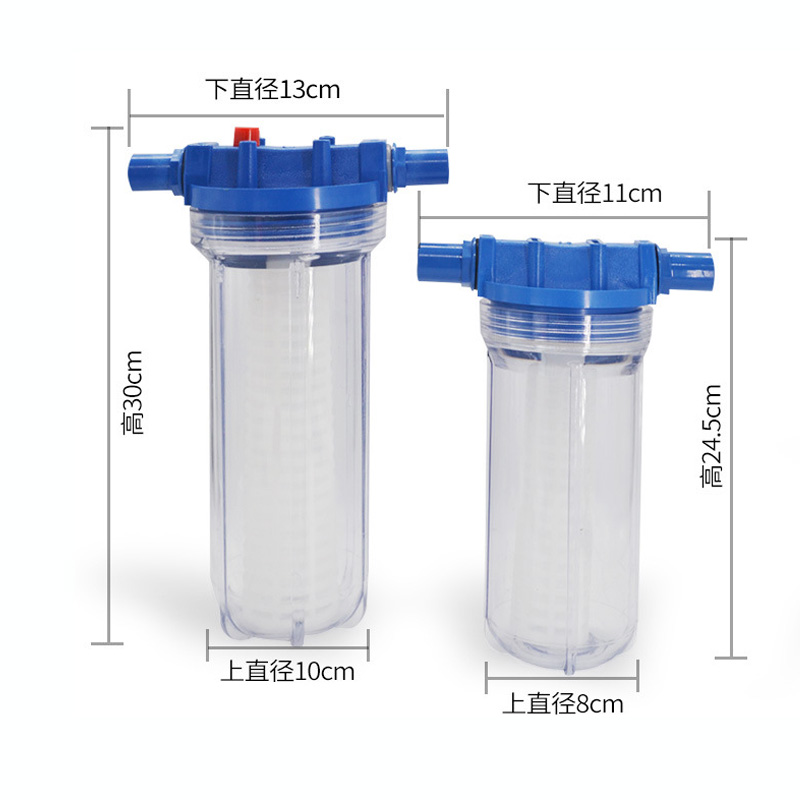
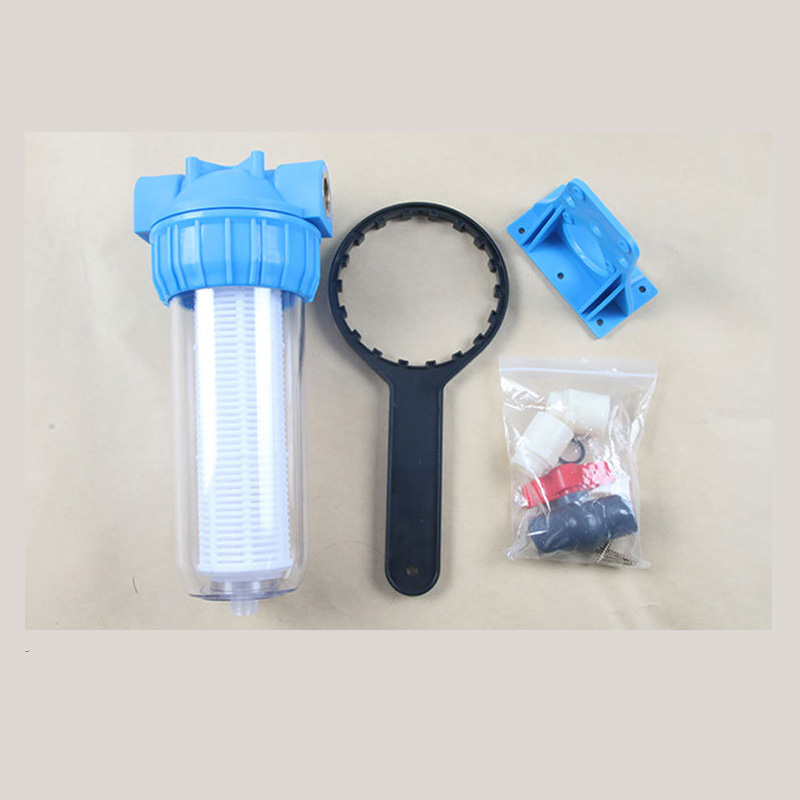
Water Line Filters
- Effectively Blocking Pathogen Transmission Chains
- Preventing Drinking Water System Blockage and Leaks
- Reduced Frequency and Labor Intensity of Manual Maintenance
- Extended Lifespan of the Drinking Water System
- Adaptation to High-Density and Intelligent Farming Models
The core advantages of water line filters in poultry farms lie in their ability to significantly improve drinking water safety, reduce disease risk, and lower management costs through physical interception and system optimization, making them an indispensable infrastructure for modern high-density chicken farms.
Effectively Blocking Pathogen Transmission Chains: Water line filters remove sediment, rust, algae, and suspended organic matter from water sources, significantly reducing the risk of pathogenic microorganisms such as E. coli and Salmonella proliferating in the drinking water system. Studies have shown that unfiltered drinking water systems are prone to biofilm formation, becoming breeding grounds for pathogens, while the incidence of intestinal diseases in chicken flocks can decrease by more than 30% after installing filters.
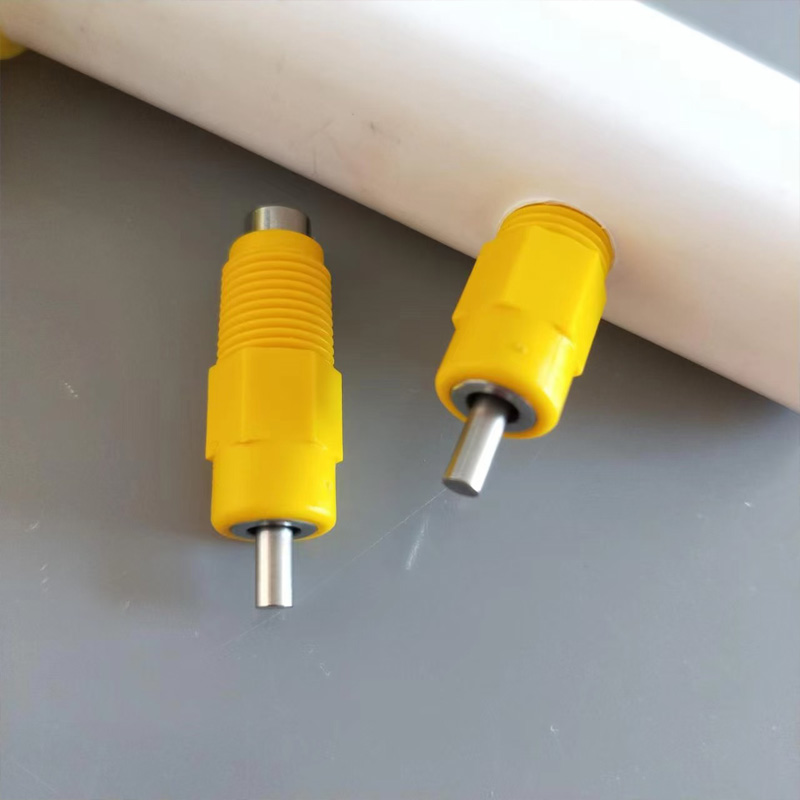
Preventing Drinking Water System Blockage and Leaks: Long-term administration of antibiotics, vitamins, or electrolytes can lead to residue buildup on the inner walls of pipes, causing blockages or leaks in nipple drinkers. Filters use multi-stage filter media (such as PP cotton, activated carbon, and ultrafiltration membranes) to intercept tiny particles, maintaining smooth water flow and preventing secondary problems such as excessive humidity in the chicken house and moldy litter caused by leaks.
Reduced Frequency and Labor Intensity of Manual Maintenance: Traditional manual water line cleaning takes 5-7 days, which is time-consuming and labor-intensive. Modern water line filters often adopt "explosion-proof backwashing structures" or "self-cleaning designs," allowing for periodic automatic sewage discharge and reducing manual intervention. This is especially suitable for multi-level chicken houses housing 30,000-60,000 chickens per building.
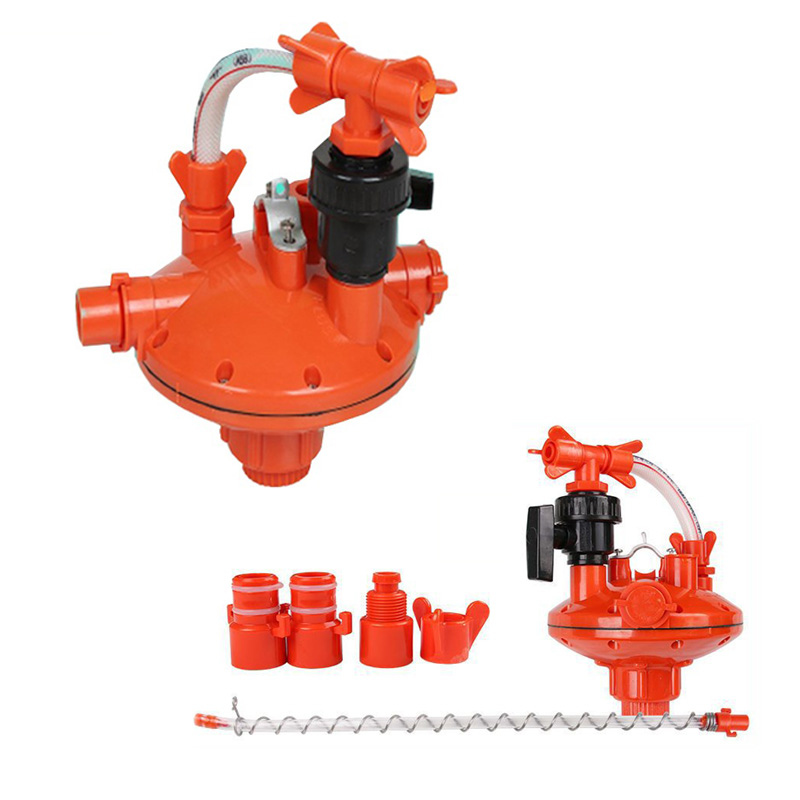
Extended Lifespan of the Drinking Water System: As the "first line of defense," the filter protects subsequent delicate components such as nipple drinkers, pressure regulating valves, and pipe joints from wear and tear by impurities, extending the overall drinking water system's lifespan to over 15 years and reducing equipment replacement costs.
Adaptation to High-Density and Intelligent Farming Models: In modern farming models where one person manages 100,000 chickens, the filter is linked with the PLC control system to achieve online water quality monitoring, automatic backwashing, and remote alarms, meeting standardized farming requirements such as "all-in, all-out" and "precision feeding."